


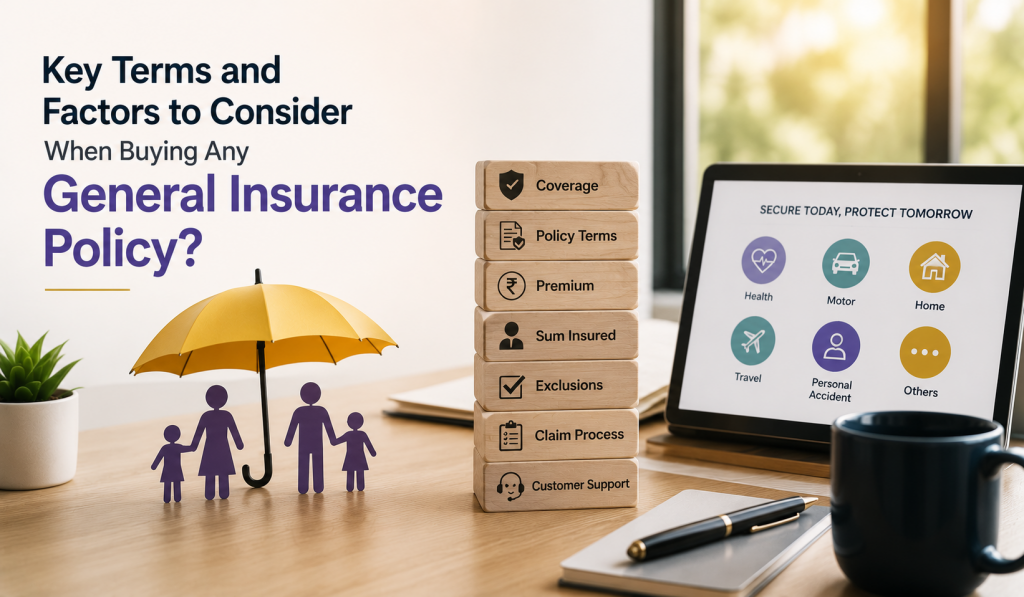
insurance buying in india often feels straightforward. until someone tries to make a claim.
that is when policyholders discover terms they ignored while purchasing. deductible. co-pay. waiting period. depreciation. exclusions. sub-limits. cashless approval.
until then, most people compare policies like mobile plans. whichever looks cheaper and promises “comprehensive coverage” usually wins.
insurance rarely reveals its quality during purchase. it reveals its quality during stress.
experienced policyholders read insurance documents differently from first-time buyers.
most insurance policies look similar online. they behave differently during claims.
this has become especially visible in health insurance, car insurance, travel cover, gadget protection, and home insurance.
two plans may show similar premiums, similar coverage amounts, and similar advertisements. then a claim happens.
one insurer settles smoothly. another starts pointing toward conditions buried deep inside the wording.
that difference usually comes from policy structure, not marketing.
the terms buyers ignore are usually the ones that matter most later
here are the insurance terms that decide how expensive or stressful a claim becomes.
|
term |
what it means |
why it matters |
| sum insured | maximum amount insurer may pay | determines overall protection size |
| deductible | amount customer pays first | higher deductible reduces premium but increases personal expense |
| co-payment | percentage shared by customer | larger co-pay means more out-of-pocket cost |
| waiting period | time before some illnesses are covered | important in health insurance |
| exclusions | situations not covered | most claim disputes begin here |
| cashless claim | insurer settles directly with hospital or garage | reduces upfront payment pressure |
| reimbursement claim | customer pays first and claims later | can affect liquidity during emergencies |
| idv | current insured value of vehicle | impacts motor insurance payouts |
| add-ons | extra protections added separately | can improve practical coverage quality |
most policy complaints connect back to one of these clauses. not the premium.
health insurance buyers often focus on coverage amount alone
this is probably the most common mistake in indian health insurance buying.
people see ₹5 lakh. ₹10 lakh. ₹25 lakh. they pick the highest number. assume it means the best protection.
that is not how it works.
insurers attach conditions to that number. room rent limits. consumables. specific treatments. co-payments. waiting periods. claim caps.
the same ₹10 lakh policy from two insurers can pay out very differently. same hospitalisation. different out-of-pocket cost.
the coverage amount is a starting point. not the full picture.
experienced buyers now compare claim structure first and premium later.
cheap motor insurance sometimes becomes expensive after an accident
motor insurance is heavily price-driven in india. many buyers purchase the cheapest “comprehensive” policy available online without checking how the coverage works during repairs.
the real differences appear later.
|
policy feature |
what happens during repairs |
| zero depreciation add-on | lower personal repair expense |
| basic policy without add-ons | higher owner contribution |
| engine protection | useful during flooding or water damage |
| large garage network | easier cashless servicing |
| consumable cover | covers nuts, bolts, oils, small parts |
two car owners with similar vehicles can face very different bills after similar accidents.
deductibles change the real financial burden
policies with lower premiums often compensate through higher deductibles. that trade-off is rarely understood during purchase.
|
deductible structure |
premium |
claim-time expense |
| low deductible | higher | lower |
| high deductible | lower | higher |
neither option is automatically wrong. but buyers should know what portion of risk they are still carrying after buying the policy.
exclusions matter more than promotional benefits
insurance ads talk about what is covered. claims get disputed over what is not.
common exclusions include pre-existing illnesses during the waiting period. cosmetic treatments. wear and tear. electrical breakdown. self-inflicted damage. non-disclosed conditions. certain high-risk activities.
none of these appear in the marketing brochure. they appear in the policy document.
experienced buyers read the exclusion list before they read the premium number. because exclusions decide where claim arguments start. not the marketing copy.
cashless networks matter more than brand familiarity
people often buy insurance based on a familiar company name. but during emergencies, the actual network matters more.
|
strong cashless network |
weak cashless network |
| faster admission support | more reimbursement dependency |
| lower upfront payment burden | higher temporary financial stress |
| smoother hospital coordination | more paperwork |
| better claim convenience | longer settlement effort |
this becomes real during emergency hospitalisation. families discover whether their insurer works smoothly with nearby hospitals.
claim settlement ratio is useful. but incomplete.
consumers increasingly compare insurers using claim settlement percentages. the metric matters. but insurance experience depends on several other things.
|
what buyers usually compare |
what experienced policyholders also check |
| claim settlement ratio | claim turnaround time |
| premium amount | escalation handling |
| brand reputation | documentation flexibility |
| coverage amount | customer support quality |
| app experience | real claim behaviour |
a company with a strong settlement ratio can still create frustrating customer experiences if servicing quality is weak.
waiting periods create problems for many first-time buyers
this becomes especially important in health insurance. coverage for certain illnesses may not begin immediately after policy purchase.
|
type of coverage |
common waiting pattern |
| pre-existing diseases | waiting period may apply |
| maternity benefits | often delayed eligibility |
| specific surgeries | time-based restrictions |
| accidental hospitalisation | usually covered earlier |
many people discover these restrictions only after needing treatment. reading waiting-period clauses carefully matters far more than most buyers assume.
non-disclosure creates serious problems during claims
people sometimes skip information during onboarding. they fear rejection, medical tests, or higher premiums.
commonly hidden details include smoking, diabetes, previous surgeries, existing illnesses, and older claims.
insurers investigate disclosures much more carefully once large claims appear. disputes at claim stage are usually more painful than slightly higher premiums during purchase.
good insurance reduces panic, not just cost
most people buy insurance because a bank asked for it, a car dealer bundled it, tax season arrived, or an app recommended it.
the real purpose is simpler. a strong insurance policy reduces financial chaos during already stressful situations.
that depends less on slogans and more on transparency, claim handling, hospital or garage support, and how fairly the insurer behaves when money is involved.
the policies people appreciate most are usually not the ones with the loudest advertising. they are the ones that create the fewest surprises later.
what experienced buyers usually compare before purchasing
| factor |
why it matters |
| exclusions | prevents claim surprises |
| deductibles | determines personal financial burden |
| co-pay clause | impacts claim payout size |
| cashless network | affects convenience during emergencies |
| waiting periods | important for health coverage timing |
| add-ons | improves practical protection quality |
| claim servicing reputation | matters during disputes |
| renewal history | important for long-term continuity |
FAQs
1. what is the difference between deductible and co-payment ?
A. a deductible is the amount paid first by the policyholder before coverage begins. co-payment means the customer shares a fixed percentage of the claim amount with the insurer.
2. why are exclusions important in insurance policies ?
A. exclusions define situations where claims may not be payable. many claim disputes arise from exclusions that buyers overlooked during purchase.
3. does a lower premium always mean a better deal ?
A. not necessarily. lower-cost policies sometimes include higher deductibles, stricter exclusions, reduced benefits, or limited claim flexibility.
4. why does hospital network matter in health insurance ?
A. a stronger cashless hospital network can reduce upfront expenses, paperwork stress, and reimbursement delays during emergencies.
5. should claim settlement ratio alone decide the insurer choice?
A. not completely. claim servicing quality, turnaround time, grievance handling, and practical customer experience matter alongside settlement ratios.


