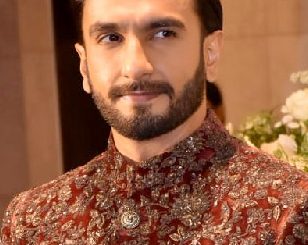
Rajkummar Rao’s net worth is estimated at ₹96 crore as of 2026. For an actor who started with ensemble roles in small-budget films, that figure is not the result of one hit. It is the outcome of fifteen years of steady output, each project adding to the previous one until the value became impossible to ignore.
His career did not have a single breakout moment that changed everything. It compounded. Small films, supporting roles, critical acclaim, gradual fee increases. Each project added to the previous one, and the value accumulated quietly until it became impossible to ignore.
That pattern is worth studying, because it mirrors how long-term wealth gets built in any field.
the early years: small roles, steady output
Rao’s initial years were not marked by high pay. Love Sex Aur Dhokha was an ensemble film with a modest budget. Ragini MMS and Shaitan followed, both small productions. His first significant critical recognition came with Gangs of Wasseypur in 2012, a two-part epic that gave him visibility but not a leading man’s fee.
The fees in this period were modest. Reports from the time place his per-film earnings in the lakhs, not crores. He was working steadily, but the financial return was small relative to the effort.
What he was accumulating was not money. It was credibility. Directors began to see him as an actor who could carry difficult roles. Anurag Kashyap, Dibakar Banerjee, Vikramaditya Motwane. Each collaboration added to the portfolio.
the middle period: awards and recognition
Shahid in 2013 changed how the industry saw him. The film won him a National Film Award and a Filmfare Critics Award for Best Actor. The fee did not jump immediately. It rarely does. But the kinds of roles available to him expanded.
Queen, Aligarh, Trapped, Newton, Omerta, Fanne Khan. Each film added another layer. Newton was India’s official entry to the Oscars in 2017. Trapped was a solo survival drama that critics praised. The work was diverse, and the recognition was steady.
By the late 2010s, his fee had moved into the ₹1-2 crore range. Not a leap, but a trend line pointing upward.
the stree effect: when consistency meets a mainstream hit
Stree in 2018 was the turning point for his commercial standing. The horror-comedy was a sleeper hit, and it demonstrated that Rao could carry a mainstream film with mass appeal. A sequel, Stree 2, released in 2024, became one of the highest-grossing Hindi films in recent years.
For Stree 2, Rao reportedly charged ₹6 crore. That was higher than Shraddha Kapoor’s reported ₹5 crore for the same film. The fee reflected a decade of accumulated credibility that finally found a mainstream vehicle.
The important thing is the timeline. It took 14 years from his debut to reach that fee. There was no shortcut.
what the arc teaches about professional value
Consistency compounds. Each film added to the previous body of work. A single strong performance did not change his career. A consistent pattern of strong performances did.
Diversification reduces risk. Rao has worked across genres and with a wide range of directors. If one project had failed, the next would still be there. The portfolio of work was diversified, and so was the income.
Recognition lags contribution. Rao was delivering strong performances for years before the fees reflected it. Professional value typically follows contribution with a delay, and the delay is longer than most people expect.
Slow periods are not failure. Between hits, there were films that did not perform commercially. The career did not stall. The accumulation continued.
Compounding is invisible until it is not. The first decade felt gradual. The mainstream breakout at the 14-year mark re-rated everything that came before it. Wealth and reputation can behave the same way.
parallels with long-term investing
A retail investor building a portfolio goes through something similar.
The early years feel slow. Contributions add up, but the portfolio value does not move dramatically. The temptation is to chase faster returns or switch strategies.
A decade later, the compounding becomes visible. The corpus grows faster than the contributions because the returns are now working on a larger base.
The investor who stays invested through market cycles, contributes consistently, and avoids panic decisions ends up where the actor who kept working through small films ended up. The path was not dramatic, but the destination was.
what retail investors should take from this
There are three practical lessons.
First, consistency matters more than intensity. A ₹10,000 monthly SIP for 20 years produces more than a ₹1 lakh annual investment made irregularly, even though the total contributions are similar.
Second, portfolio diversification applies to careers as much as to investments. Multiple income streams and multiple skills reduce the risk of a single setback becoming permanent.
Third, compounding is quiet. Whether the asset is a stock portfolio, a professional reputation, or a body of work, the early years look unremarkable. The re-rating happens later, and it usually arrives as a surprise.
Frequently Asked Questions
1. How long did it take Rajkummar Rao to reach his current fee level?
About 14 years. He debuted in 2010 with Love Sex Aur Dhokha and reportedly charged ₹6 crore for Stree 2 in 2024. The growth was steady rather than sudden.
2. What was Rao’s fee in the early years of his career?
Reports place his early fees in the lakhs. Love Sex Aur Dhokha, Ragini MMS and Shaitan were modest productions. The shift to crore-level fees took most of a decade.
3. Which film changed Rao’s commercial standing?
Stree in 2018 was the commercial turning point. It showed he could carry a mainstream film. Stree 2 in 2024 consolidated that position and took his fee to ₹6 crore.
4. What is the investment lesson from Rao’s career?
Consistency compounds. A portfolio of small, steady contributions over a long period typically outperforms irregular large contributions, and the re-rating happens later than most investors expect.
5. Does diversification apply to careers as well as portfolios?
Yes. Rao worked across genres and with a wide range of directors. That spread of work reduced the impact of any single film’s outcome. The same logic applies to multiple income streams and skills.