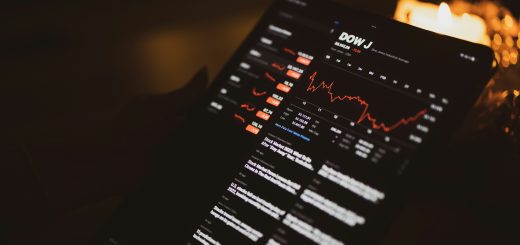
A watchlist with price alerts for US stocks turns an impossible schedule into a manageable one. The US market opens around 7:00 pm IST and runs past midnight. Nobody wants to stare at a screen until 1:30 am waiting for a stock to hit a number.
A watchlist keeps track of stocks without owning them. Price alerts send a notification when something moves. Together they let an Indian investor follow the US market without rearranging sleep.
The tools are simple. The discipline around them is where most of the value sits. An alert that fires at 11:30 pm can trigger a bad decision as easily as a good one.
What a Watchlist Actually Does
A watchlist is a list of stocks an investor tracks without owning them. Most US investing apps and financial websites offer watchlists, often with several separate lists.
The multi-list feature matters more than it sounds. One list can hold AI names, another dividend payers, a third companies under research. Keeping them apart prevents a long scroll through unrelated tickers.
Shorter lists are easier to follow. A watchlist of 80 stocks gets ignored. A watchlist of 12 gets checked.
How Price Alerts Work
Price alerts send a notification when a stock reaches a set price or moves by a set percentage.
Many apps also offer alerts for news, earnings dates and 52-week highs or lows. Those go beyond price and cover events that often explain a price move.
The alert itself doesn’t trade. It notifies. That distinction separates alerts from orders, and it’s worth holding onto.
The Time Zone Advantage
For Indian investors, the US regular session runs about 7:00 pm to 1:30 am IST during US daylight time from March to November. In winter, it shifts to 8:00 pm to 2:30 am IST.
Those hours overlap with dinner and sleep. Alerts reduce the need to watch the screen late at night. A notification arrives, a quick check follows, and the decision happens on the investor’s schedule rather than the market’s.
Alerts Versus Orders
Alerts notify. Limit orders, including good till cancelled ones, execute automatically at the set price.
Both have a place. An alert prompts a review. An order executes a decision already made.
Many investors combine the two. An alert fires when a stock approaches a level worth examining. A limit order sits at a price where the decision is already settled. The alert handles uncertainty. The order handles certainty.
Confusing the two creates problems. An alert treated like an order leads to impulsive buying at whatever price happens to be showing.
Setting Price Alerts on a US Stocks Watchlist
Several approaches work.
A price that matches the investor’s own valuation target is the most grounded. It ties the alert to analysis rather than to arbitrary numbers.
A percentage fall, such as 10% or 20% from current levels, catches moves without requiring a specific price view.
Alerts around upcoming earnings dates make sense because earnings often move stocks sharply.
Alerts near 52-week lows or highs flag stocks at extremes, which is where decisions tend to matter most.
Organising Watchlists by Theme or Stage
Two organising principles cover most needs.
Themes or sectors group stocks by what they do. AI, healthcare and dividend payers are common examples. This helps when a sector-wide move happens and the whole group needs review.
Stage groups stocks by where they sit in the decision process. Researching, ready to buy, owned. That structure keeps attention on what’s actionable.
Both approaches work. The failure mode is a single undifferentiated list that grows until it becomes noise.
The Pitfalls Worth Knowing
Alert fatigue comes first. Too many notifications train the investor to ignore them.
Impulse buying is the second. An alert firing at 11:30 pm is not a reason to buy. It’s a reason to check why the price moved.
Alerts can lag in fast markets. By the time a notification arrives, the price may have moved well past the level that triggered it.
Extended-hours prices create another problem. Some apps trigger alerts on those prices, which can be thin and volatile. A move that looks dramatic after hours can reverse by the open.
A Sensible Response to an Alert
The sequence after an alert matters more than the alert itself.
The first check is why the price moved. News, earnings, or a market-wide fall each tell a different story.
The second is the original reason for watching the stock. If the thesis hasn’t changed, a lower price may be an opportunity. If it has, the alert is a warning rather than a signal.
Then comes the decision to buy, wait or adjust the alert. Any of the three can be right.
Funding the Purchase
Buying happens through a US investing platform funded under the Liberalised Remittance Scheme. Fractional shares let small amounts be invested when an alert hits, which suits the incremental nature of alert-driven buying.
What Investors Should Take From This
The first point is that alerts notify and orders execute. Keeping the two separate prevents impulsive trades.
The second is about time zones. Price alerts and a tidy watchlist matter for US stocks because the market runs at inconvenient hours for Indian investors.
The third concerns alert levels. A valuation target or a percentage move is more useful than an arbitrary number.
The fourth is about organisation. Theme-based or stage-based lists keep a watchlist usable. Shorter lists get checked.
The fifth is about response. An alert is a prompt to review, not an instruction to buy.
Frequently Asked Questions
1. What is a watchlist in US stock investing?
It’s just a running list of stocks being tracked without owning them. Most US investing apps let users keep several of these lists side by side.
2. How do price alerts work for US stocks?
A notification pops up once a stock hits a chosen price or moves by a set percentage. Some apps go further and flag news, earnings dates and 52-week highs or lows too.
3. Do price alerts place trades automatically?
Not at all. An alert only taps the investor on the shoulder. Limit orders, including good till cancelled ones, are what actually execute at a set price.
4. What alert levels make sense?
A personal valuation target works well. So does a percentage drop like 10% or 20%, a level around earnings dates, or a price close to the 52-week high or low.
5. What are the common pitfalls with alerts?
Too many alerts and they all get ignored. Others include buying on impulse the second one fires, alerts lagging in fast markets, and alerts tripping on thin extended-hours prices.
Disclaimer: Investments in securities markets are subject to market risks. This article is for general information only and isn’t investment, tax or legal advice. Read all related documents carefully before investing.