


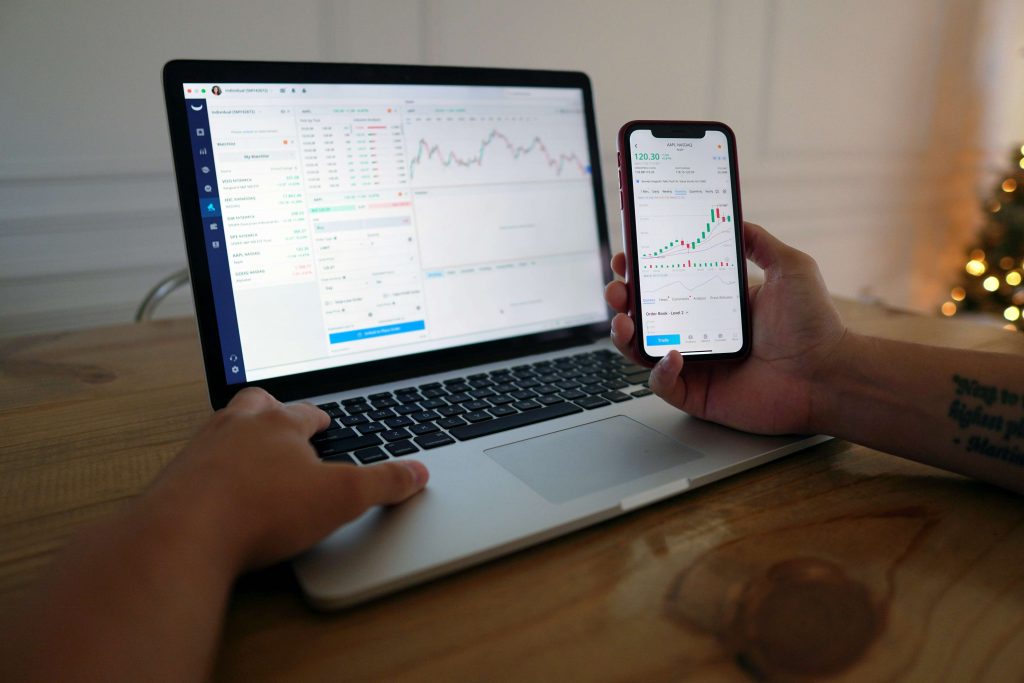
fomo investing is straightforward. people buy stocks or funds because prices are going up and others are making money. not because the investment aligns with their goals. this leads to buying at peaks, holding concentrated positions, and selling during falls. the classic buy high, sell low cycle.
the solution is simple. build a plan. use sips for discipline. ignore social media noise. wait 24 hours before any impulse purchase.
what fomo looks like
a colleague at work shares a screenshot of a stock that went up 40% in two months. the portfolio has tripled. friends at dinner talk about a fund that everyone has invested in.
the brain responds to two things. the fear of being left behind. and the desire to participate in the gain.
the investor jumps in without checking valuations, fundamentals, or the original financial plan.
the classic examples in india:
- buying defence stocks in 2024 after the rally, not before
- investing in thematic funds because they are top performers
- rushing into IPO subscriptions without reading the red herring prospectus
why it happens
social media. investment screenshots and “easy money” posts create a false sense of opportunity. seeing others gain triggers a visceral reaction. the instinct to join feels urgent.
recency bias. after a market rally, investors assume the trend will continue. the brain overweights recent performance and underweights the possibility of a reversal.
loss aversion. the fear of losing out feels stronger than the fear of losing money. the discomfort of watching others profit while sitting out is often greater than the pain of a bad investment decision.
herding. humans are social animals. the instinct to follow the crowd is wired deep. when everyone is buying, it feels safer to join than to stand alone.
the real cost of fomo
entry at peaks. by the time a stock or theme becomes a topic of conversation, much of the upside is already priced in.
concentration risk. investments are made in sectors or stocks that are currently popular, leading to a portfolio concentrated in a few areas rather than diversified across asset classes.
stress and regret. selling at a loss after a correction compounds the initial mistake.
behavioural damage. the pattern reinforces itself. the investor buys high, sells low, and repeats. this erodes long-term wealth more than any market crash.
how to avoid it
create an investment policy. write down the asset allocation, target fund categories, and contribution schedule. a written plan is harder to abandon than an unwritten one.
use sips. systematic investment plans remove timing decisions. the amount goes in on the same date every month, regardless of market conditions.
block the noise. silence social media investment alerts. unfollow accounts that post screenshots of gains. the goal is not to create an echo chamber, but to stop the constant exposure to short-term market excitement.
set a 24-hour rule. before making an impulse investment, commit to waiting 24 hours. the urgency that felt real often dissipates after a sleep.
ask the right questions. “would I buy this if nobody was talking about it.” “does this fit my portfolio.” “am I buying because of the story or because the numbers make sense.”
check against the plan. every investment should fill a role in the portfolio. if the answer to “what role will this play” is not clear, the money should not be invested.
what to do if fomo has already struck
the investment has been made at a high. the first instinct is to wait until the original price is recovered. that is a mistake. sunk cost bias should not drive the next decision.
ask the same questions. would this investment be bought today at the current price. if the answer is no, it may be time to exit.
tax implications. capital gains tax will apply on redemptions. but holding a bad investment to avoid tax is often more costly.
frequently asked questions
1. what is fomo investing?
fomo investing is buying stocks or funds because others are making money, not because the investment fits the financial plan. it leads to buying at market peaks and selling during downturns.
2. why does fomo lead to losses?
it makes you buy when prices are high and sell when prices are low. the fear of missing out feels urgent, but it disappears after the money is invested.
3. how can I avoid fomo investing?
create a written investment plan. use sips. block social media noise. set a 24-hour rule before any impulse purchase. ask if the investment fits the portfolio before buying.
4. does fomo happen only in stocks?
no. it happens in mutual funds, real estate, ipos, cryptocurrencies, and even gold. any asset class that has a sharp rally and gets media attention can trigger fomo.
5. what is the 24-hour rule for investing?
wait 24 hours before making an impulse investment. the urgency often fades. if it still makes sense after a day, it may be worth considering.


